
Recent Posts
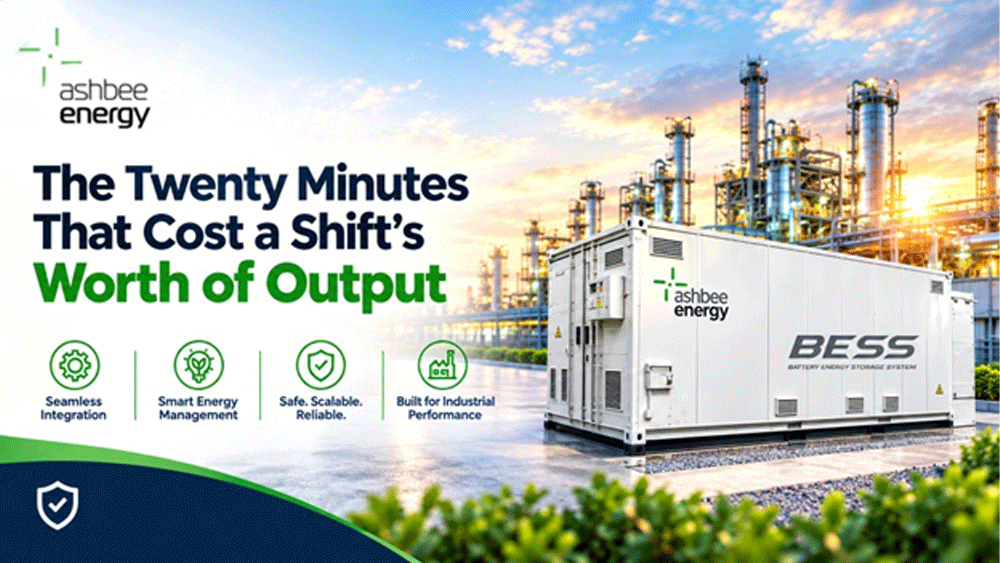
The Twenty Minutes That Cost a Shift's Worth of Output
A backup generator takes time to spin up. Not much, usually under a minute, but enough that a factory floor sits dark and idle right when it matters most. That short window is basically the entire case for a solar battery energy storage system — storage picks up the load instantly, before a generator's even finished starting.
What Changes Once Storage Enters the Picture
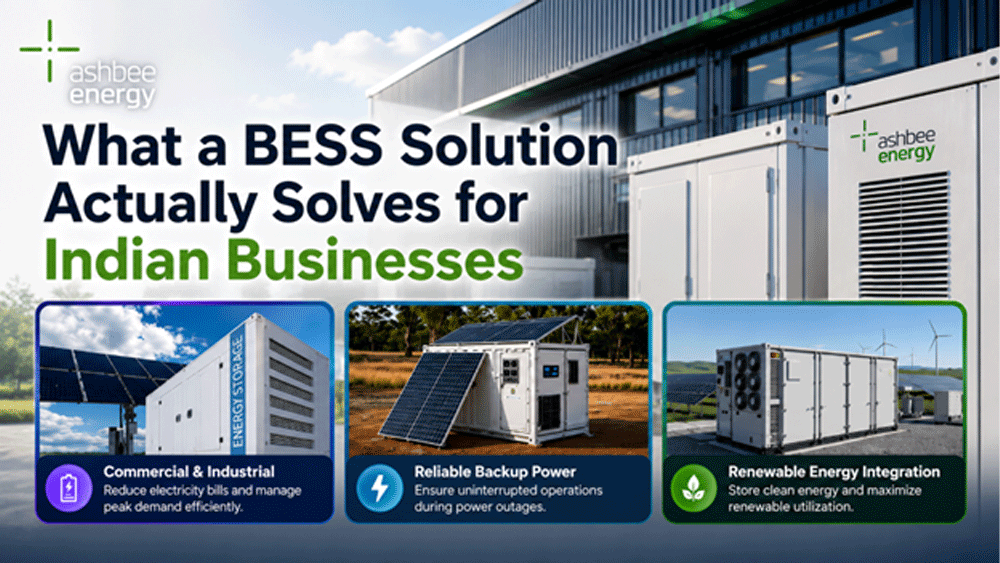
Solar without storage only covers half the job. Panels generate during daylight hours, obviously, but a cold-storage warehouse pulling constant draw or a factory running overnight doesn't stop needing power once the sun goes down. Renewable energy storage solutions bridge that gap by banking the daytime surplus and releasing it whenever the site actually needs it, regardless of what time the panels stopped producing.
Ashbee Energy has spent the past couple of years building exactly this kind of setup for mid-size manufacturers and warehouse operators across the region. Demand charges tend to be the real driver behind these projects, more often than the base electricity rate itself.
How BESS Actually Works Day to Day
A BESS battery energy storage system pulls charge whenever power's cheap or self-generated, then releases it during peak demand windows or the moment an outage hits. There's no spin-up delay involved, no fuel line to check, no manual start. The system just responds.
BESS power backup handles things differently than a generator sitting on standby. A generator needs someone to start it, fuel in the tank, and regular servicing to stay reliable. A properly sized BESS system reacts on its own, within milliseconds, without anyone touching a switch.
Choosing the Right BESS Solutions for Your Site
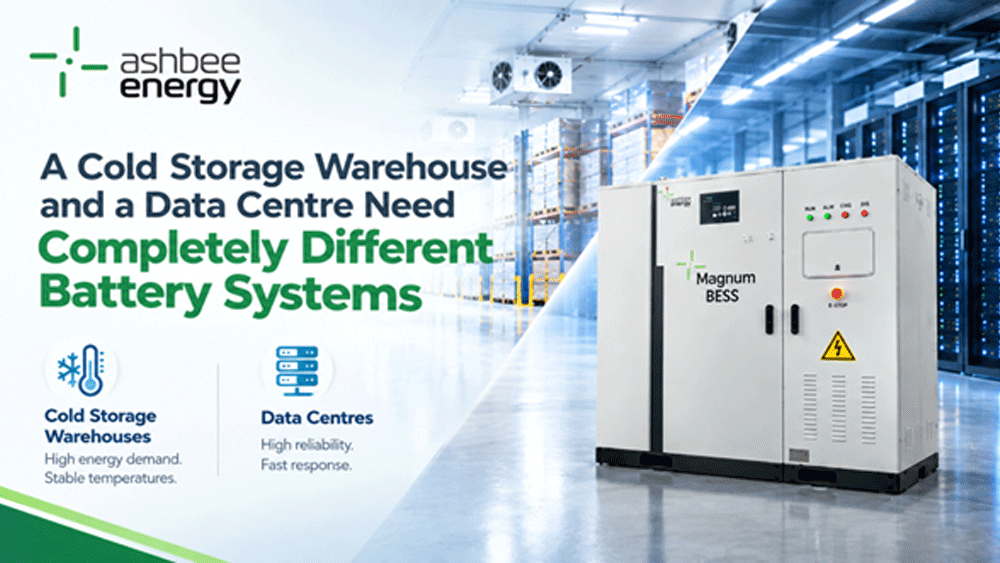
BESS solutions aren't interchangeable across industries. A cold storage facility draws power in a completely different pattern than a machine shop running three shifts, and sizing a system without accounting for that difference is one of the more common mistakes buyers make early on.
Commercial and industrial energy storage sizing usually starts with a load audit, looking at peak demand hours over a full year rather than just a snapshot month. Seasonal swings matter more than people expect going in.
The Bigger Picture
Every green energy solution eventually runs into the same wall. Generation without proper storage only solves half the equation, and the sites getting real value out of solar right now are the ones that treated storage as part of the original plan, not a phase-two upgrade.
Leave a Reply
Your email address will not be published. Required fields are marked
Comments